

Wood Pellets: Peak Performance with the Hygie Box System
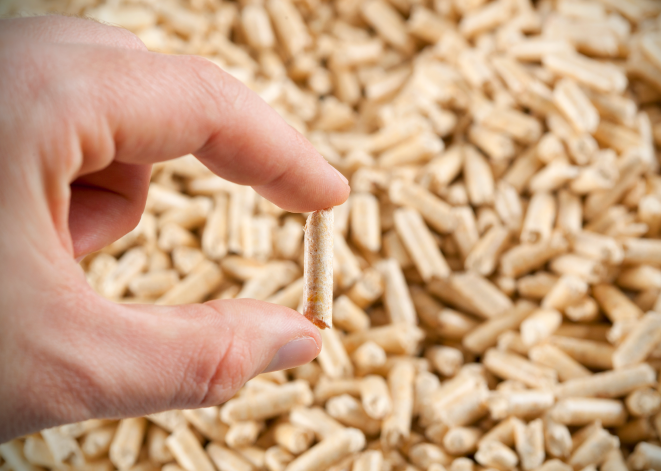
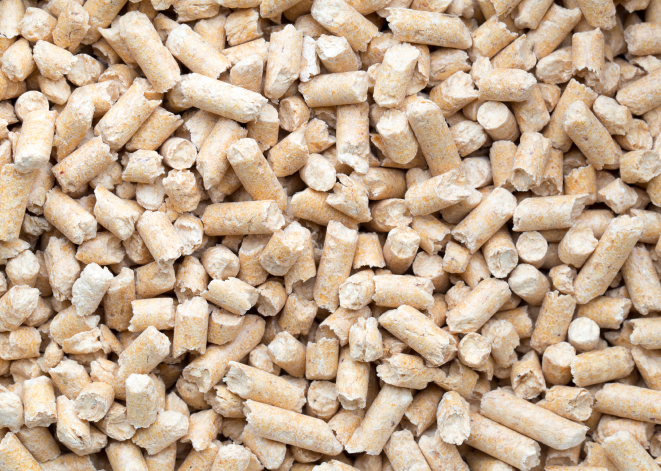
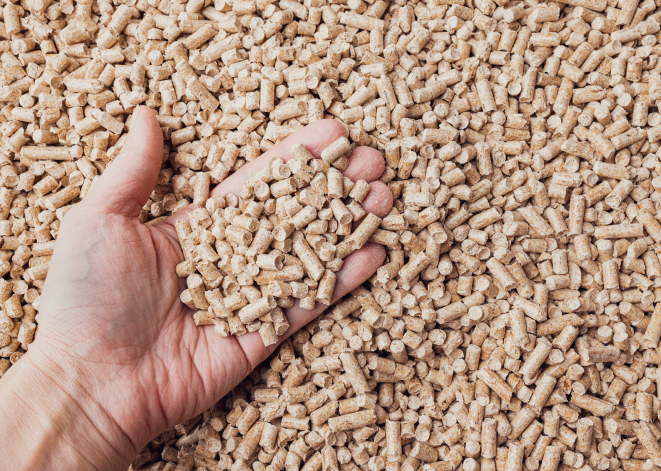
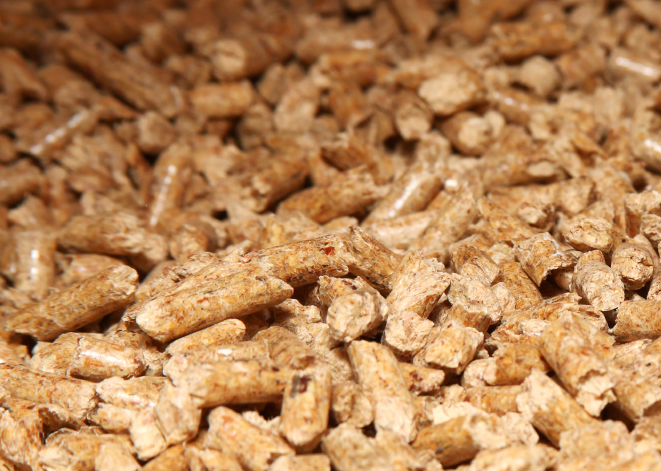
The Hygie Box is a modular system designed to perform at a high level with different types of substrates. When used with wood pellets, its performance is enhanced, as the system was specifically engineered for this type of material. For this reason, Cattus recommends using wood pellets with the Hygie Box Easy and HB Kim models, which are specifically designed for this substrate.
Below, we have outlined the main technical points that explain why wood pellets deliver the best results when used within the correct system.
High Sanitary Safety
Wood pellets offer a high level of sanitary safety due to their manufacturing process and their behavior during use. Pine sawdust is subjected to high temperatures and pressure (hot compression), eliminating moisture and drastically reducing the natural microbial load, resulting in a virtually sterilized substrate.
STELTE, W. et al. Fuel pellets from biomass: The influence of the pelletizing process on pellet quality and energy consumption. Energy & Fuels, v. 25, n. 7, p. 3279-3289, 2011.
This level of safety was verified by Cattus through tests conducted at the Veterinary Bacteriology Laboratory (LaBacVet) of UFRGS. In clean wood pellets, no detectable bacterial growth was observed. Even after seven days of use in cat litter boxes, bacterial counts remained extremely low only 1.6 × 10¹ CFU/ml—indicating that wood pellets do not promote microbial proliferation when used correctly.
Efficient Odor Control
When used with the Hygie Box, odor control with wood pellets is highly effective. Upon contact with urine, the pellets break down into sawdust, which traps moisture within the wood structure, slowing the formation and release of ammonia.
In addition, pine contains natural compounds with antimicrobial effects that help reduce the bacteria involved in the breakdown of urea. The combination of the pellets’ physical behavior and the Hygie Box design causes odors to take days to develop, even in homes with multiple cats.
CHIU, H. S. et al. Evaluation of different bedding materials on ammonia emissions and absorption capacity. Journal of Applied Poultry Research, v. 14, n. 3, p. 550-555, 2005.
Lower Negative Environmental Impact
Wood pellets stand out as one of the most sustainable substrates available. The sawdust used in their production comes from certified reforestation forests, making use of a byproduct of the timber industry.
During use, the damp sawdust formed after contact with urine can be disposed of in the toilet or in open areas, where it will be naturally incorporated into the soil. This approach significantly reduces environmental impact when compared to traditional mineral litters, which rely on mining activities and generate a greater volume of waste.
A Cleaner Home
Fine litters tend to stick to cats’ paws, spreading dirt throughout the house. Wood pellets, being heavier, do not cling to paws and, when they do leave the box, usually remain close to the edges. This eliminates tracking and contributes to a cleaner living environment on a daily basis.
Real Savings
By nature, wood pellets are already the most economical substrate per kilogram and deliver higher yield than high-quality cat litters. The Hygie Box system enhances this advantage by properly separating dry pellets from urine-soaked sawdust.
The design of the HB Easy and HB Kim prevents damp sawdust from coming into contact with clean, dry pellets, eliminating waste. As a result, only the urine-soaked sawdust is discarded, while the remaining substrate stays in use. This leads to targeted refills, fewer full replacements, and a significant extension of usage time delivering excellent cost-effectiveness.
Say goodbye to “crumbly mess” and feel the difference in your daily home routine. Choose the Hygie Box that’s right for your cat and discover how hygiene can be simple, affordable, and have a lower negative environmental impact.
The Hygie Box is a modular system designed to perform at a high level with different types of substrates. When used with wood pellets, its performance is enhanced, as the system was specifically engineered for this type of material. For this reason, Cattus recommends the use of wood pellets with these models. Hygie Box Easy e HB Kim, projetados especificamente para esse substrato.
Below, we have outlined the main technical points that explain why wood pellets deliver the best results when used within the correct system.
High Sanitary Safety
Wood pellets offer a high level of sanitary safety due to their manufacturing process and their behavior during use. Pine sawdust is subjected to high temperatures and pressure (hot compression), eliminating moisture and drastically reducing the natural microbial load, resulting in a virtually sterilized substrate.
STELTE, W. et al. Fuel pellets from biomass: The influence of the pelletizing process on pellet quality and energy consumption. Energy & Fuels, v. 25, n. 7, p. 3279-3289, 2011.
This level of safety was verified by Cattus through tests conducted at the Veterinary Bacteriology Laboratory (LaBacVet) of UFRGS. In clean wood pellets, no detectable bacterial growth was observed. Even after seven days of use in cat litter boxes, bacterial counts remained extremely low only 1.6 × 10¹ CFU/ml—indicating that wood pellets do not promote microbial proliferation when used correctly.
Efficient Odor Control
When used with the Hygie Box, odor control with wood pellets is highly effective. Upon contact with urine, the pellets break down into sawdust, which traps moisture within the wood structure, slowing the formation and release of ammonia.
In addition, pine contains natural compounds with antimicrobial effects that help reduce the bacteria involved in the breakdown of urea. The combination of the pellets’ physical behavior and the Hygie Box design causes odors to take days to develop, even in homes with multiple cats.
CHIU, H. S. et al. Evaluation of different bedding materials on ammonia emissions and absorption capacity. Journal of Applied Poultry Research, v. 14, n. 3, p. 550-555, 2005.
Lower Negative Environmental Impact
Wood pellets stand out as one of the most sustainable substrates available. The sawdust used in their production comes from certified reforestation forests, making use of a byproduct of the timber industry.
During use, the damp sawdust formed after contact with urine can be disposed of in the toilet or in open areas, where it will be naturally incorporated into the soil. This approach significantly reduces environmental impact when compared to traditional mineral litters, which rely on mining activities and generate a greater volume of waste.
A Cleaner Home
Fine litters tend to stick to cats’ paws, spreading dirt throughout the house. Wood pellets, being heavier, do not cling to paws and, when they do leave the box, usually remain close to the edges. This eliminates tracking and contributes to a cleaner living environment on a daily basis.
Real Savings
By nature, wood pellets are already the most economical substrate per kilogram and deliver higher yield than high-quality cat litters. The Hygie Box system enhances this advantage by properly separating dry pellets from urine-soaked sawdust.
The design of the HB Easy and HB Kim prevents damp sawdust from coming into contact with clean, dry pellets, eliminating waste. As a result, only the urine-soaked sawdust is discarded, while the remaining substrate stays in use. This leads to targeted refills, fewer full replacements, and a significant extension of usage time delivering excellent cost-effectiveness.
Say goodbye to “crumbly mess” and feel the difference in your daily home routine. Choose the Hygie Box that’s right for your cat and discover how hygiene can be simple, affordable, and have a lower negative environmental impact.